
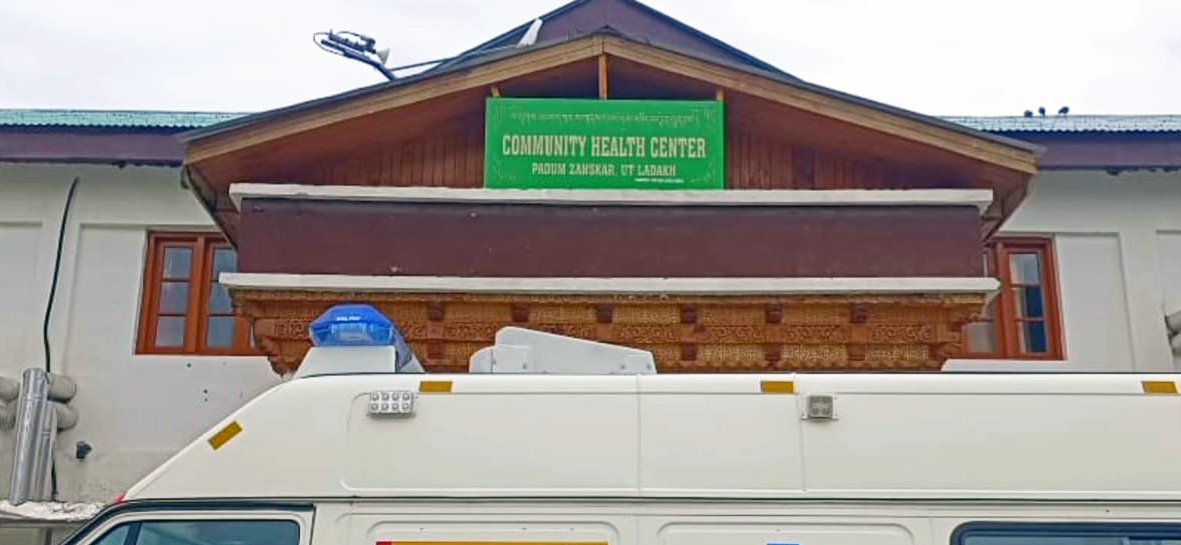
Voices from Zangskar: Need for basic healthcare services

For the people of Zangskar, reaching a hospital is a challenge. Living in one of the most remote regions of Ladakh means that healthcare is not just about treatment, it is often a race against time. Sadly, despite being the only major government healthcare facility for the region, Community Health Centre, Padum (which now serves as District Hospital, Zangskar) continues to lack even the most basic medical facilities that every citizen deserves.

One of the most alarming issues is that the hospital’s ultrasound machine is not functioning. An ultrasound is not a luxury. It is an essential diagnostic tool used daily especially for pregnant women, emergency cases, abdominal pain, kidney disorders, and many other conditions. When this machine remains out of service, patients are forced to travel hundreds of kilometres simply to undergo a basic investigative test. In emergencies, this delay can be the difference between life and death.

Equally concerning is the absence of a full-time gynaecologist at the hospital. Pregnant women in Zangskar face immense hardships throughout their pregnancy. Regular antenatal check-ups, monitoring of high-risk pregnancies and emergency obstetric care become extremely difficult when there is no specialist available. Many expectant mothers are compelled to travel to Kargil or Leh, enduring long, exhausting, and often dangerous journeys over mountainous roads. During winter, when roads are blocked by heavy snowfall, the situation becomes even more critical.

The hospital also lacks CT scan and MRI facilities, making it impossible to diagnose serious conditions such as strokes, head injuries, internal bleeding, spinal disorders, and neurological diseases without referring patients elsewhere. Every referral means valuable time lost, additional financial burden on families, and increased risk to patients whose conditions may worsen during the journey.

Although doctors and healthcare workers in Padum work tirelessly under difficult circumstances, they cannot provide the level of care that patients deserve without adequate infrastructure and equipment. Their dedication alone cannot replace essential diagnostic machines and specialist doctors.

Healthcare is a fundamental right guaranteed to every citizen. Yet, the people of Zangskar continue to face inequalities simply because of their geographical location. Development should not stop at roads and buildings; it must also ensure access to quality healthcare.

It is important that the Administration of the Union Territory of Ladakh, the Health Department, and all concerned authorities take immediate action to:

– Repair or replace the non-functional ultrasound machine without further delay.

– Appoint a permanent gynaecologist at District Hospital, Zangskar.

– Establish CT scan and MRI facilities in Padum for timely diagnosis.

– Strengthen the hospital with specialist doctors, trained technicians, and adequate medical staff.

The people of Zangskar are not asking for luxury. They are asking for basic healthcare facilities that every district hospital should provide. No pregnant woman should have to travel for hours to meet a specialist. No critically ill patient should lose precious time because essential diagnostic services are unavailable. As a daughter of Zangskar, it is heart-breaking to witness families living with the constant fear that a medical emergency may require an exhausting journey. The resilience of our people is remarkable, but resilience should never be used as a substitute for proper healthcare. It is time for the voices from Zangskar to be heard. We hope this appeal reaches those who have the power to bring meaningful change, because every life in Zangskar is valuable, and every citizen deserves timely, safe, and dignified medical care.

By Obida Akbar

Obida Akbar (Padum) completed her BSc with Honours in Biochemistry from Panjab University, Chandigarh.
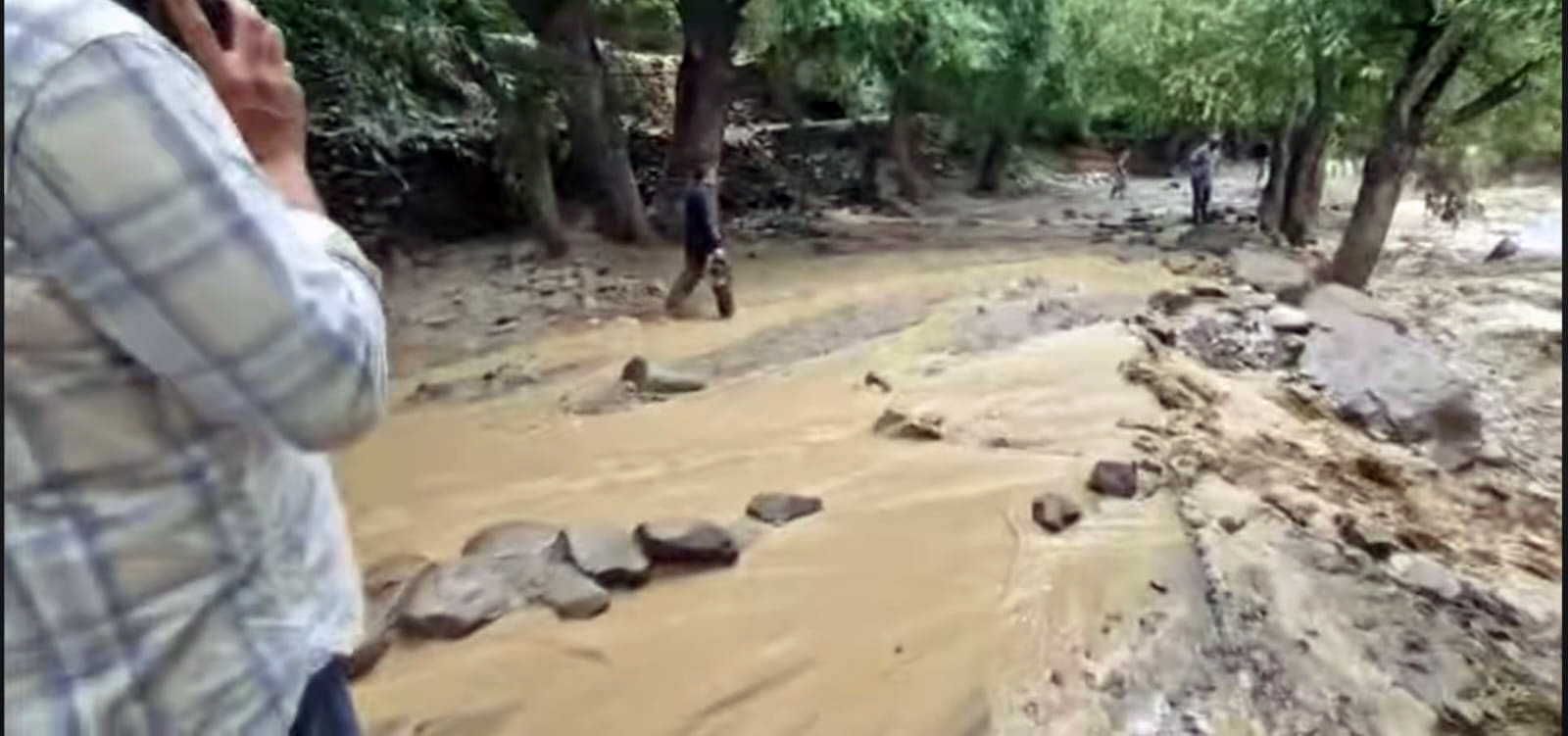
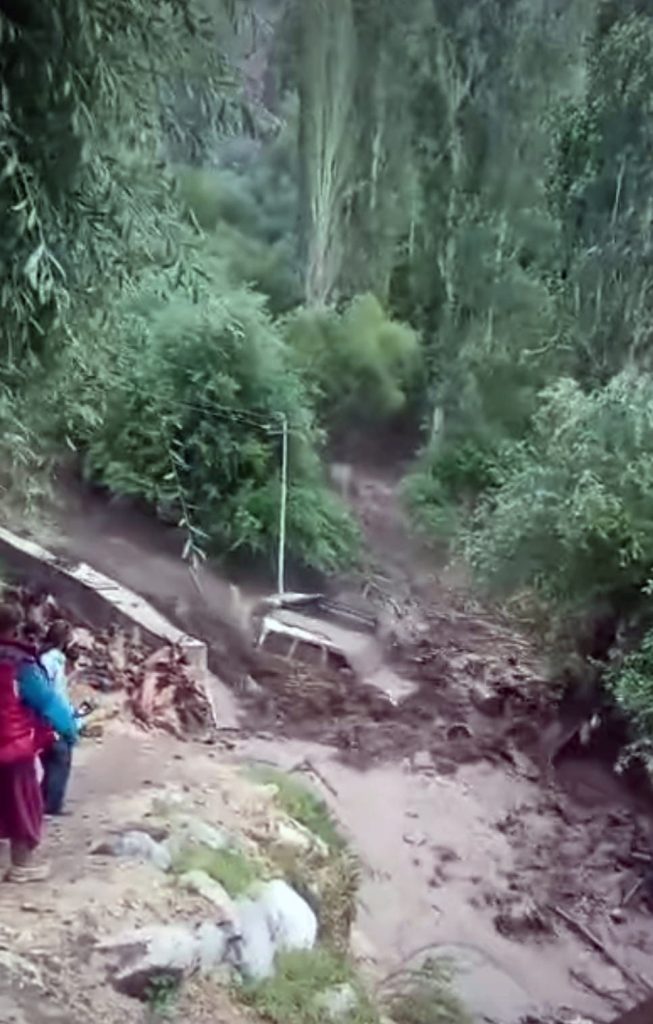
Floods in Ladakh: Are we paying heed?

Ladakh, which is admired for its towering mountains, crystal-clear rivers, and dry cold desert climate, recently experienced another heartbreaking disaster. In July 2026, intense rainfall and a series of cloudbursts triggered devastating flash floods across several villages in Kargil district, including Sankoo, Sangrah, Karcheykhar, Karkitchoo, Batakhar, Salmo, Choskore, Silmo, Latoo, Karkit (Badgam), Shakar-Chiktan, and Yokma Kharboo.

In a short period of time, streams turned into raging torrents and carried mud, rocks, and boulders. Houses were damaged, roads and bridges collapsed, irrigation canals were destroyed, and fertile agricultural fields were buried under debris. Many families lost their crops and livestock, while several villages were temporarily cut off from the rest of the district.

The immediate cause of these floods was unusually heavy rainfall and cloudbursts across the mountainous region. The cloudbursts released an enormous amount of rain in a very short period. Ladakh’s steep slopes, rocky terrain, and narrow valleys cannot absorb this amount of water in a short period and water rushed downhill at great speed, creating destructive flash floods.

However, the disaster also reflects a larger concern. Scientists state that climate change is increasing the frequency and intensity of extreme weather events in mountain regions across the world including the Himalayas. Although Ladakh has long been known as a cold desert with very little rainfall, rising temperatures are changing weather patterns, increasing the frequency of heavy rainfall and cloudbursts. Human activities such as unplanned construction in vulnerable areas and the degradation of natural drainage channels further increases flood risks and damage from flood events.

Karkitchoo, Kargil

The prompt response of the District Administration, SDRF, Army, BRO, Police, and local volunteers helped rescue affected residents and restore essential services. Their dedication demonstrated the spirit of unity and resilience for which Ladakh is famed. Yet rebuilding damaged homes, roads, irrigation systems, and farmlands will require time, resources, and sustained support.

The recent floods should not be seen as an isolated event but as a warning for the future. Ladakh needs stronger early warning systems, better flood-resilient infrastructure, scientific land use planning, and greater public awareness about disaster preparedness. Protecting the fragile Himalayan environment is essential not only for preserving its natural beauty but also to ensure the safety of people and their livelihoods.

The mountains of Ladakh have symbolised strength and endurance. The recent floods remind us that nature is changing, and we must adapt with wisdom, responsibility, and respect for the environment. Only through sustainable development and collective action can we ensure that such tragic events have limited impact in the years to come.

Sankoo

As a Ladakhi girl, watching these floods has been deeply painful. The mountains, rivers and valleys that have always given us a sense of peace also remind us of nature’s immense power. Seeing families lose their homes, farms and livelihoods is heartbreaking because these are not just places on a map but our communities, our memories and our way of life.

I hope this tragedy serves as a turning point instead of just another disaster that we forget over time. It is a reminder that protecting Ladakh is a shared responsibility. We must respect our environment, support sustainable development and stand together in times of crisis. My fellow Ladakhis, our greatest strength has always been our unity and resilience. If we continue to care for our land as our ancestors did and prepare wisely for the challenges ahead, I believe Ladakh will not only recover but emerge stronger. The mountains have stood tall through every storm, and so can we.

By Obida Akbar

Obida Akbar (Padum, Zangskar) completed her BSc with Honours in Biochemistry from Panjab University, Chandigarh.
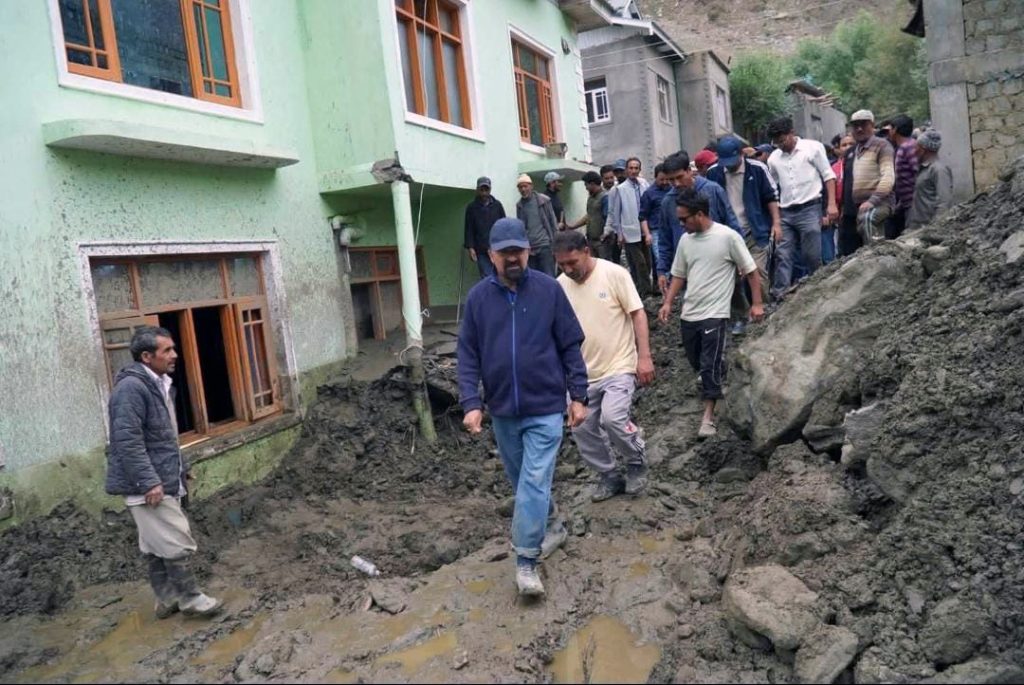
(All the photographs are screen grabs from news reports about the recent floods in Ladakh)