
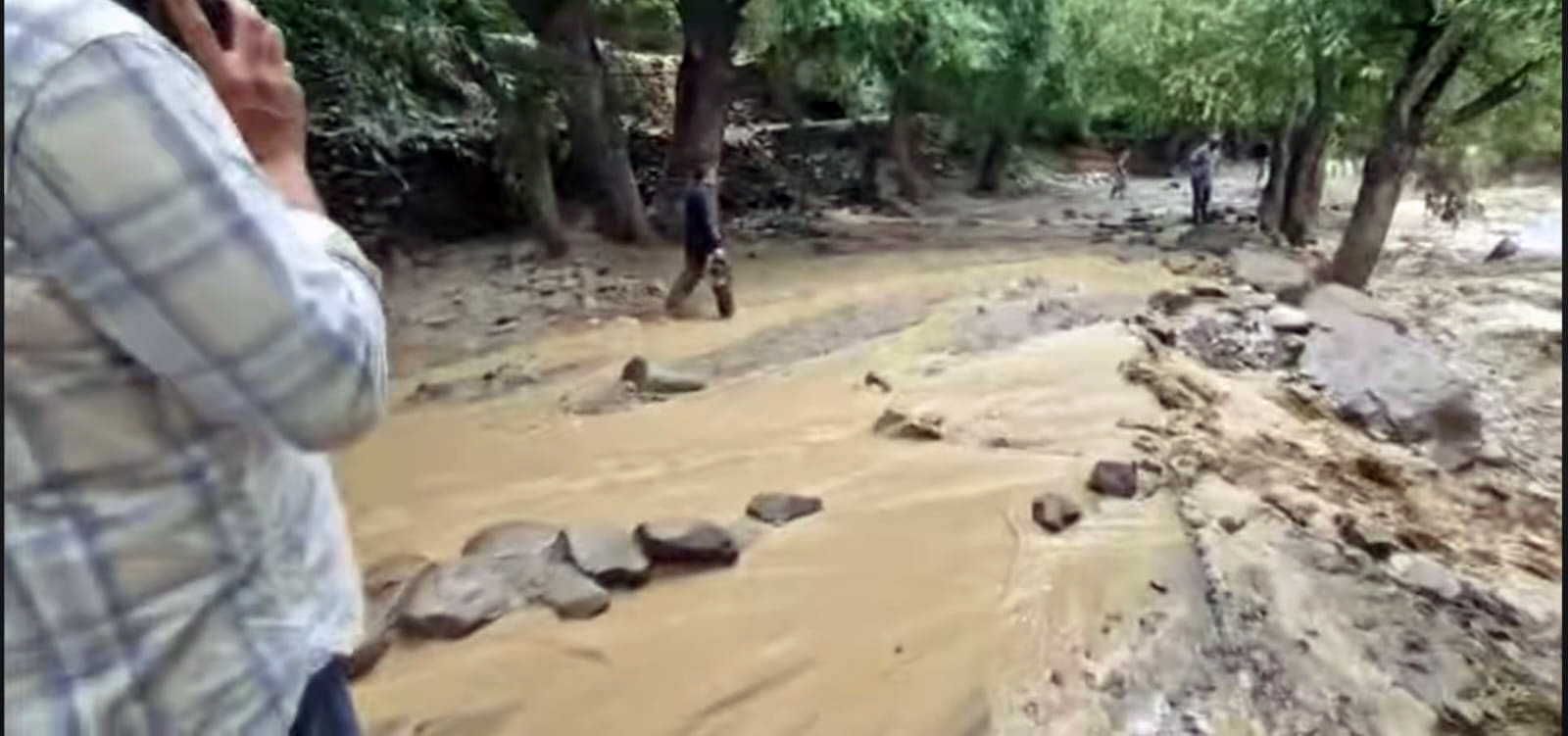
Ladakh, which is admired for its towering mountains, crystal-clear rivers, and dry cold desert climate, recently experienced another heartbreaking disaster. In July 2026, intense rainfall and a series of cloudbursts triggered devastating flash floods across several villages in Kargil district, including Sankoo, Sangrah, Karcheykhar, Karkitchoo, Batakhar, Salmo, Choskore, Silmo, Latoo, Karkit (Badgam), Shakar-Chiktan, and Yokma Kharboo.
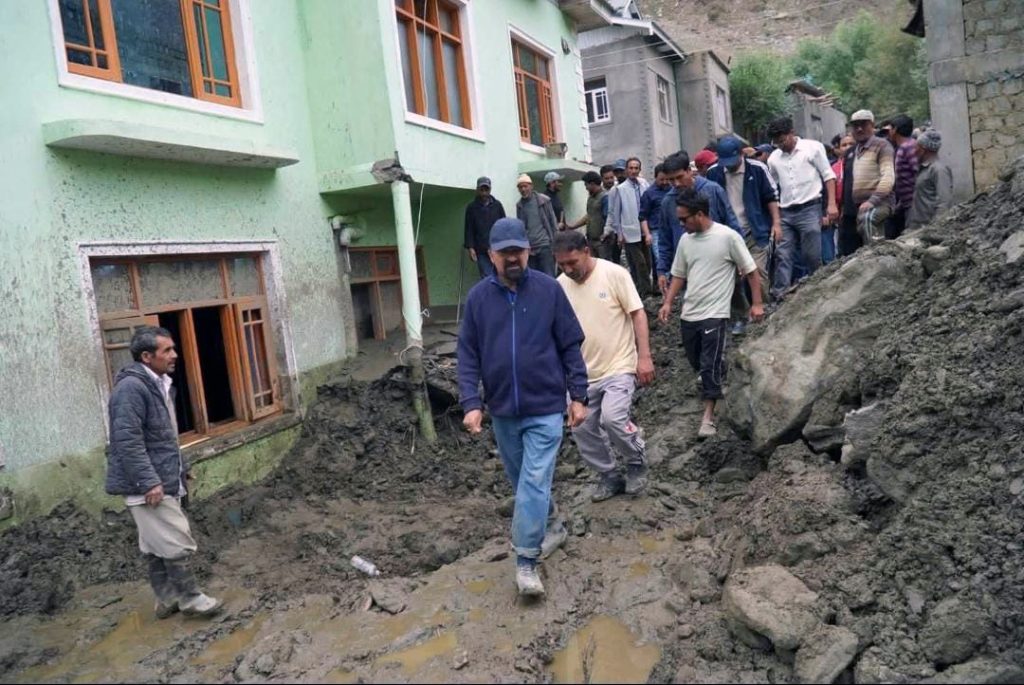
In a short period of time, streams turned into raging torrents and carried mud, rocks, and boulders. Houses were damaged, roads and bridges collapsed, irrigation canals were destroyed, and fertile agricultural fields were buried under debris. Many families lost their crops and livestock, while several villages were temporarily cut off from the rest of the district.
The immediate cause of these floods was unusually heavy rainfall and cloudbursts across the mountainous region. The cloudbursts released an enormous amount of rain in a very short period. Ladakh’s steep slopes, rocky terrain, and narrow valleys cannot absorb this amount of water in a short period and water rushed downhill at great speed, creating destructive flash floods.
However, the disaster also reflects a larger concern. Scientists state that climate change is increasing the frequency and intensity of extreme weather events in mountain regions across the world including the Himalayas. Although Ladakh has long been known as a cold desert with very little rainfall, rising temperatures are changing weather patterns, increasing the frequency of heavy rainfall and cloudbursts. Human activities such as unplanned construction in vulnerable areas and the degradation of natural drainage channels further increases flood risks and damage from flood events.
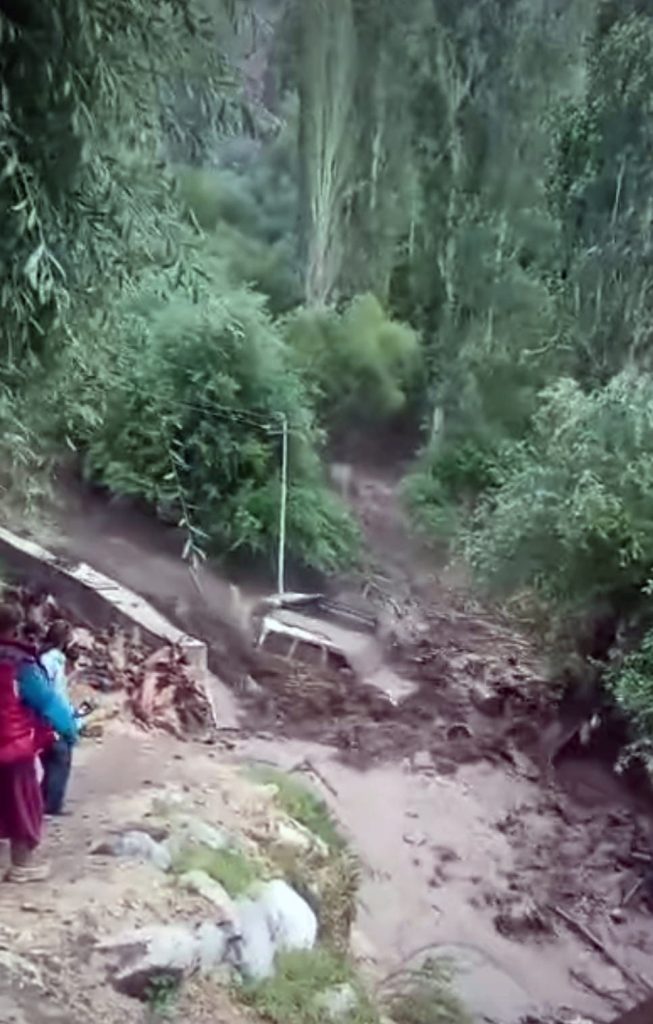
The prompt response of the District Administration, SDRF, Army, BRO, Police, and local volunteers helped rescue affected residents and restore essential services. Their dedication demonstrated the spirit of unity and resilience for which Ladakh is famed. Yet rebuilding damaged homes, roads, irrigation systems, and farmlands will require time, resources, and sustained support.
The recent floods should not be seen as an isolated event but as a warning for the future. Ladakh needs stronger early warning systems, better flood-resilient infrastructure, scientific land use planning, and greater public awareness about disaster preparedness. Protecting the fragile Himalayan environment is essential not only for preserving its natural beauty but also to ensure the safety of people and their livelihoods.
The mountains of Ladakh have symbolised strength and endurance. The recent floods remind us that nature is changing, and we must adapt with wisdom, responsibility, and respect for the environment. Only through sustainable development and collective action can we ensure that such tragic events have limited impact in the years to come.
As a Ladakhi girl, watching these floods has been deeply painful. The mountains, rivers and valleys that have always given us a sense of peace also remind us of nature’s immense power. Seeing families lose their homes, farms and livelihoods is heartbreaking because these are not just places on a map but our communities, our memories and our way of life.
I hope this tragedy serves as a turning point instead of just another disaster that we forget over time. It is a reminder that protecting Ladakh is a shared responsibility. We must respect our environment, support sustainable development and stand together in times of crisis. My fellow Ladakhis, our greatest strength has always been our unity and resilience. If we continue to care for our land as our ancestors did and prepare wisely for the challenges ahead, I believe Ladakh will not only recover but emerge stronger. The mountains have stood tall through every storm, and so can we.
By Obida Akbar
Obida Akbar (Padum, Zangskar) completed her BSc with Honours in Biochemistry from Panjab University, Chandigarh.
(All the photographs are screen grabs from news reports about the recent floods in Ladakh)