
Microplastics (MP) are plastic particles less than 5mm in size. Based on their sources, microplastics can be classified as primary and secondary. Primary microplastics are intentionally manufactured in small sizes such as in cosmetics and cleaning agents. Secondary microplastics are from the breakdown of larger plastics such as plastic bottles and ropes. In recent years, microplastics pollution has attracted a lot of attention and research. Microplastics are considered as an emerging pollutant and found everywhere. They are carriers of other harmful substances such as pharmaceutical compounds and heavy metals. Research indicates that microplastics negatively impact human health.
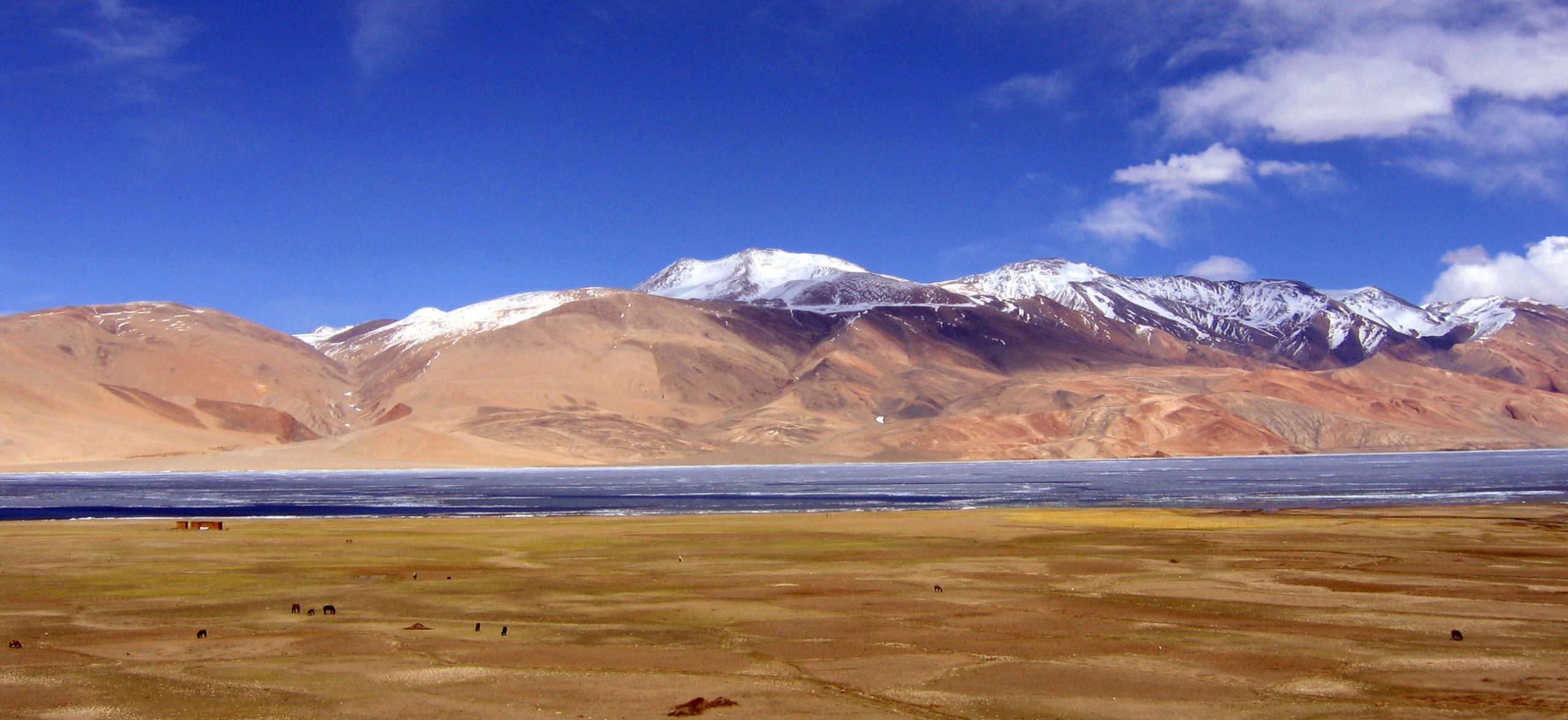
As part of this growing research interest and the importance of microplastics studies in the environment, an assessment of microplastic pollution in the sediment of freshwater sources in the Indian Himalayas was conducted. The studied sites include the Brahmaputra river, the Indus river, and major lakes in Ladakh namely Pangong-tso, Tsomoriri, and Tso Kar. These freshwater sources, particularly the lakes in Ladakh, serve as a natural laboratory for the environmental assessment of pollutants due to their remote location and minimal urbanisation activities.
The sample collection of shore sediments from the lakes and rivers was conducted from 2018 to 2019. The collected samples were then pre-treated and analysed for microplastics in the laboratory. The results, which have been published in the journal Science of the Total Environment, indicated that microplastics were detected in all the sampling sites. Of the rivers, Brahmaputra has the highest microplastic abundance with a concentration of 3,505 MP/kg dw with a size range of 20–5,000 µm followed by the Indus with a microplastic concentration of 1,994 MP/kg dw. Among the lakes, Tsomoriri has the highest microplastic concentration of 3,800 MP/kg dw with a size range of 100–5,000 µm.
Fragment-shaped microplastics were mostly found. This indicates that the sources of microplastics in the studied sites could be from larger plastic particles such as plastic bottles and packaging. In general, some of the most used MP include polypropylene (PP), polyethylene (PE), polyethylene terephthalate (PET), polystyrene (PS), polyamide (PA) and polyvinyl chloride (PVC). Similarly, PP and PE were the most detected polymer types in the studied rivers and lakes. In addition, other polymer types such as PS, PET, PVC, and PA were also detected.
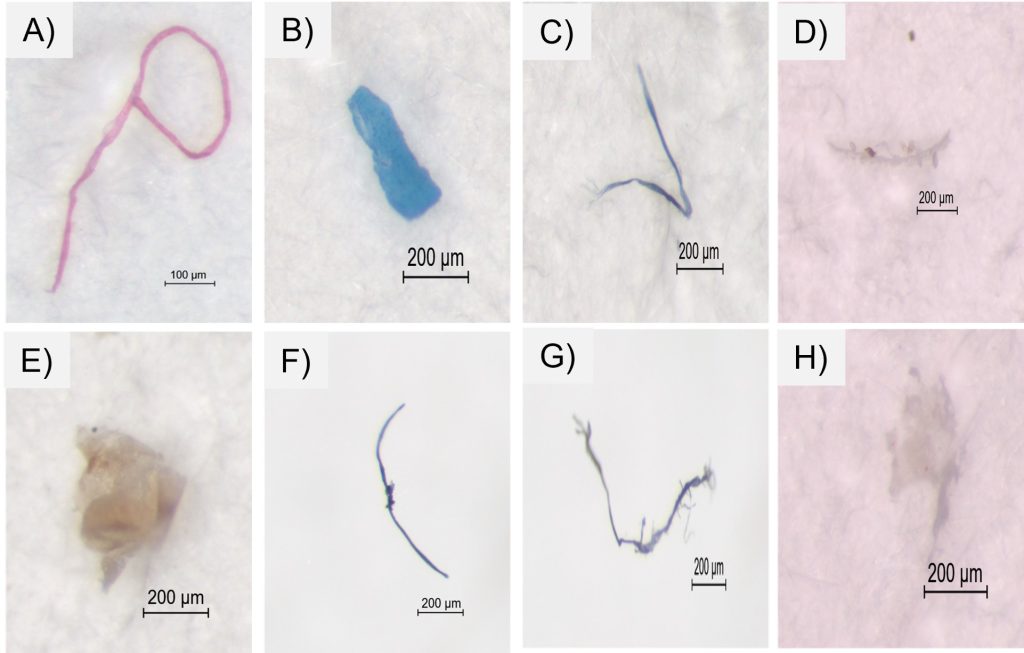
(C) PET, (D) PS, (E): PA and (F-H): PP (Image courtesy: Tsering, 2022).
However, the reported concentration and characteristics of microplastics in the detected sites should not be considered as a fixed value as microplastic analytics are dependent on the method of sampling, pretreatment, and analysis. The sources of microplastics in the freshwater sources of the Indian Himalayas could be varied including atmospheric transport, waste from tourists, improper waste management, and glacial retreat. However, waste from tourists and improper waste management could be the most potential sources of microplastics in the rivers and lakes in Ladakh. The lakes in Ladakh are tourist spots from May to September. Therefore, the seasonal visit of tourists with improper waste management could be a potential source. Further research is needed with long-term assessment and monitoring of microplastics that could provide clearer information on the source of microplastics.
By Dr. Tenzin Tsering
Dr. Tenzin Tsering completed her doctorate degree from LUT University in Finland.